
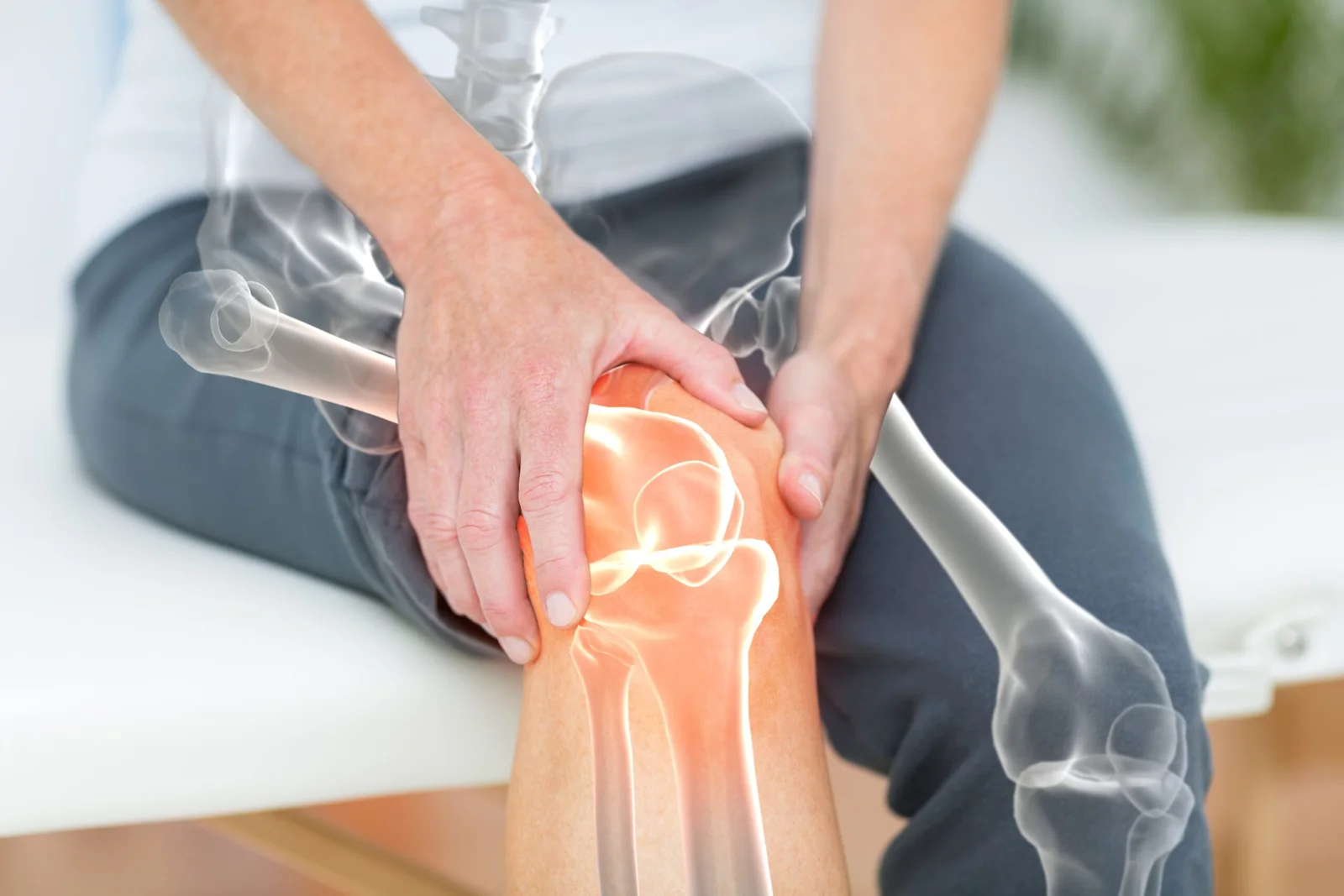
Understanding Joint Pain: Causes, Prevention, and Treatment By Dr. Kumar Satyakam – Orthopedic Specialist
Posted March 16, 2026 by Dr. Kumar SatyakamUnderstanding Joint Pain: Causes, Prevention, and Treatment
By Dr. Kumar Satyakam – Orthopedic Specialist
Joint pain is one of the most common health concerns affecting people of all ages. Whether it is caused by aging, injury, or lifestyle factors, joint problems can significantly impact daily activities and quality of life. As an orthopedic specialist, Dr. Kumar Satyakam frequently treats patients experiencing joint discomfort, stiffness, or reduced mobility. Understanding the causes and preventive measures can help you maintain strong and healthy joints for years to come.
What Is Joint Pain?
Joint pain refers to discomfort, stiffness, or inflammation in any part of a joint, including cartilage, ligaments, tendons, or bones. The most commonly affected joints include:
Knees
Shoulders
Hips
Elbows
Ankles
Wrists
Joint pain may be mild and temporary or chronic and severe, depending on the underlying condition.
Common Causes of Joint Pain
1. Osteoarthritis
Osteoarthritis is one of the most common causes of joint pain. It occurs when the protective cartilage cushioning the ends of bones gradually wears down over time.
Symptoms include:
Joint stiffness
Pain during movement
Reduced flexibility
Swelling
2. Injuries
Sports injuries, accidents, or sudden impacts can damage ligaments, tendons, or bones around the joint.
Common orthopedic injuries include:
Ligament tears
Fractures
Dislocations
Meniscus injuries
Early medical evaluation is essential to prevent long-term complications.
3. Overuse of Joints
Repeated movements during work, sports, or daily activities can strain joints and surrounding tissues.
Examples include:
Knee pain in runners
Shoulder pain in athletes
Wrist pain from prolonged computer use
4. Arthritis and Inflammatory Conditions
Certain autoimmune conditions such as rheumatoid arthritis cause inflammation in the joints, leading to swelling, stiffness, and pain.
These conditions require early diagnosis and long-term management under an orthopedic specialist.
How to Prevent Joint Problems
Taking care of your joints early in life can reduce the risk of orthopedic issues later.
Maintain a Healthy Weight
Excess body weight increases pressure on weight-bearing joints like the knees and hips.
Stay Physically Active
Regular exercise strengthens muscles that support the joints.
Recommended activities include:
Walking
Swimming
Cycling
Stretching exercises
Maintain Good Posture
Proper posture helps reduce unnecessary strain on the spine and joints.
Avoid Repetitive Strain
Take breaks during long periods of physical activity or desk work.
When Should You See an Orthopedic Doctor?
You should consult an orthopedic specialist if you experience:
Persistent joint pain lasting more than a few days
Swelling or redness around joints
Difficulty moving the joint
Pain after an injury
Weakness or instability in a joint
Early diagnosis helps prevent complications and ensures proper treatment.
Treatment Options
Orthopedic treatments vary depending on the severity and cause of the condition.
Non-Surgical Treatments
Many joint problems can be treated without surgery.
These may include:
Physical therapy
Medications
Lifestyle modifications
Joint injections
Surgical Treatments
In severe cases, surgery may be required to restore joint function.
Common procedures include:
Arthroscopy
Ligament repair
Joint replacement surgery
Dr. Kumar Satyakam carefully evaluates each patient to determine the most appropriate treatment plan.
Final Thoughts
Healthy joints are essential for an active and pain-free life. By maintaining a healthy lifestyle, staying physically active, and seeking timely medical advice, you can prevent many orthopedic problems.
If you are experiencing persistent joint pain or mobility issues, consult Dr. Kumar Satyakam for expert orthopedic care and personalized treatment.
